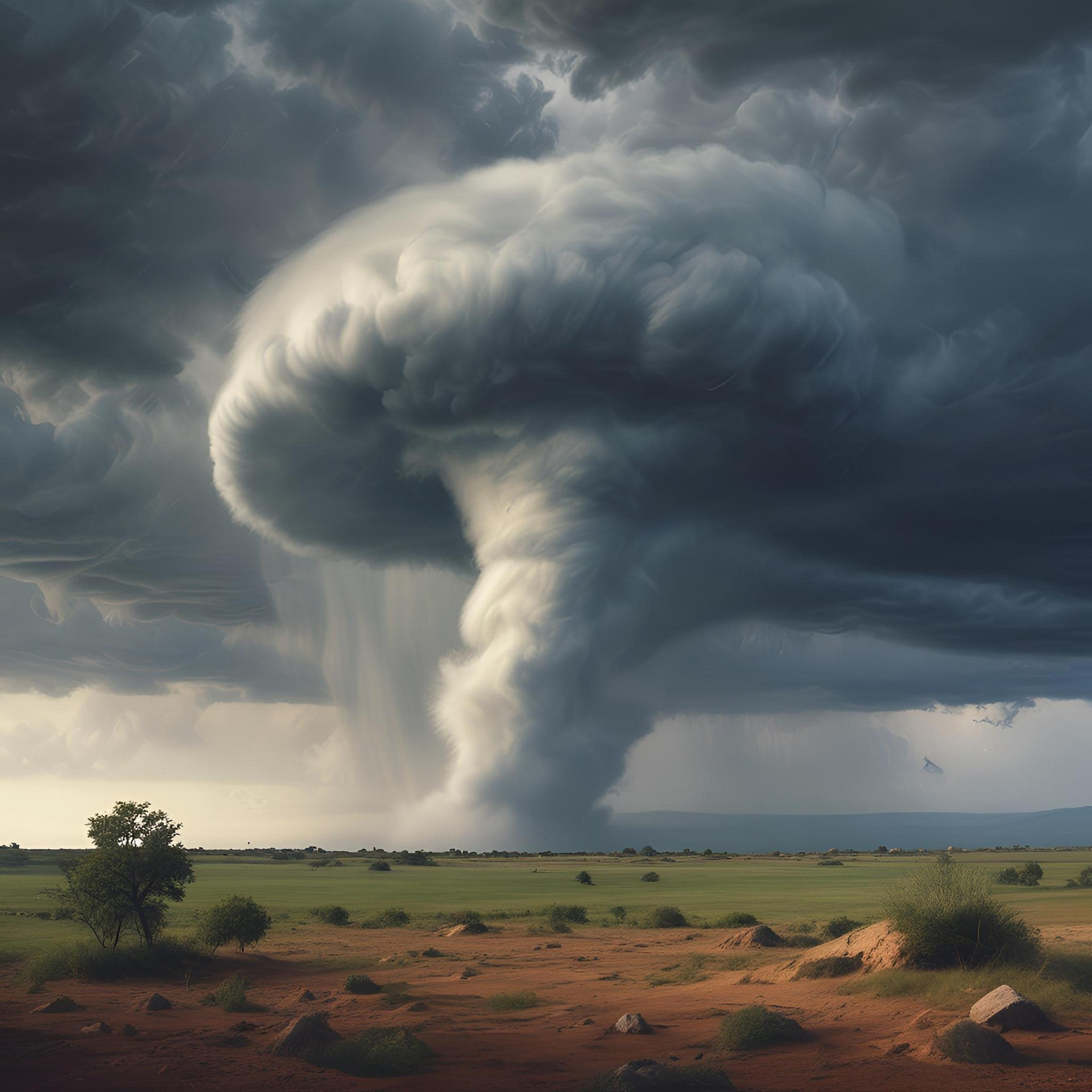
Photo by FalcoZen on Pixabay
This past week, a friend of mine was driving east on I-80 in Iowa when she saw a massive storm cloud building ahead. Concerned, she called to ask what the radar was showing. I checked my phone and turned on the TV. Nothing. I called back to tell her not to worry. Not one storm cloud was showing in our area. I figured maybe what she saw wasn’t a rain-bearing cloud.
But a few minutes later, I heard thunder in the distance. It soon grew louder. Then the wind picked up, and the rain began. Before long, a torrential downpour began, accompanied by lightning and thunder. I checked my phone again. Now the radar showed a fairly significant storm moving through our area. The local TV station now had warnings running across the bottom.
I called back but couldn’t reach her. She might have taken a different route had that information been available sooner. But this storm had developed rapidly, as they often do in Iowa. Thankfully, she arrived safe and sound.
I began to wonder if recent federal cuts to weather services had caused a delay in acquiring a radar signal. This is unlikely, but such a thought would never have occurred to me before 2025.
Over the past six months, a troubling pattern has emerged—one that suggests our ability to forecast, prepare for, and respond to extreme weather is being systematically weakened:
- The Trump administration’s most recent budget proposal included hundreds of millions in cuts to NOAA (The National Oceanic and Atmospheric Administration), gutting satellite programs and sharply scaling back funding for climate research.
- A key weather satellite program was postponed again, jeopardizing our ability to track hurricanes, droughts, and Arctic ice loss in real time.
- Staffing reductions and hiring freezes have left critical NOAA and National Weather Service (NWS) offices short-handed, putting immense pressure on remaining personnel to maintain forecasts and emergency alerts.
- New executive policies have deprioritized climate science, restricting NOAA’s ability to collect environmental data and continue long-term climate monitoring efforts.
Why does all this matter? Because the choices being made at the federal level impact how quickly storms can be detected, how quickly reliable warnings can be issued, and, most importantly—how much lead time communities have to act.
Meteorologists and emergency planners have publicly voiced their concerns about slower detection and delayed communication. In one notable instance, a veteran storm chaser described an EF-3 tornado near Comanche Lake, Oklahoma that reportedly went unwarned for a significant time—he attributed the delay to diminished NWS resources, though no official inquiry has confirmed the cause.
Warnings like these, from professionals on the front lines, suggest that our forecasting safety net is wearing thin. The American Meteorological Society has warned that underfunding is already impeding forecasting progress and could impact public safety. In hurricane-prone regions, emergency managers are voicing concern that reduced staffing and data gaps will cause warnings to come too late during what’s expected to be an above-average season.
Weakening these systems doesn’t just introduce uncertainty—it slows evacuation decisions and undermines public trust at the exact moment we need clear, credible communication.
So what can we do? We can speak up. Contact lawmakers. Demand full funding for NOAA and the NWS. These aren’t abstract agencies—they’re our early warning system.
We can raise awareness. Share stories. Support leaders who act on science, not ideology.
This isn’t about politics. It’s about preparedness—about whether we’ll see the next threat coming or only recognize it once it’s already overhead.
We’re not powerless, but we are at a turning point. Protecting NOAA’s satellites, research, and forecasting capabilities isn’t just about weather predictions—it’s about safeguarding lives, homes, and our ability to respond to the increasing impacts of the climate crisis.